Headspace Caps and Septa for GC, GC-MS and Volatile Compound Analysis
MICROSOLV offers a comprehensive selection of headspace caps and septa designed for reliable sealing, pressure retention, and autosampler compatibility in headspace GC and GC-MS applications. Available in crimp-top, screw-top, magnetic, pressure-relief, and SPME-compatible configurations, these closures help ensure reproducible analytical results while supporting a wide range of headspace methods.
Headspace caps and septa are commonly used in pharmaceutical, environmental, forensic, food and beverage, flavor and fragrance, and industrial analysis where sample integrity during heating and pressurization is critical.
Choose the Right Headspace Cap and Septa
Selecting the optimal cap and septa combination depends on:
Autosampler manufacturer and model
Headspace pressure requirements
Sample matrix and solvent compatibility
Temperature conditions
SPME requirements
Septa puncture frequency
Crimp-top or screw-top vial selection
Modern screw-top headspace systems provide sealing performance comparable to traditional crimp-top systems while offering simplified sample handling and improved workflow efficiency.
Available Cap Styles
MICROSOLV headspace closures include:
Aluminum crimp caps
Steel screw caps
Magnetic caps
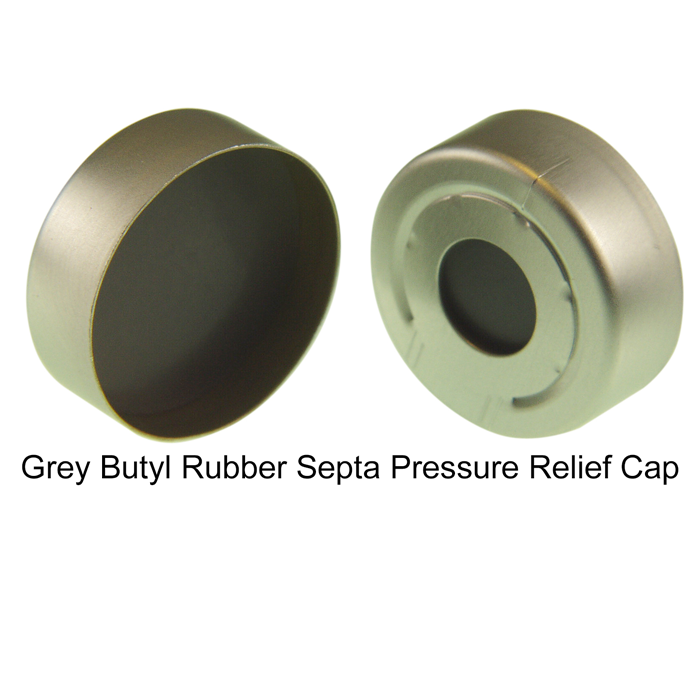
Pressure-relief caps
Open-hole caps
SPME-compatible caps
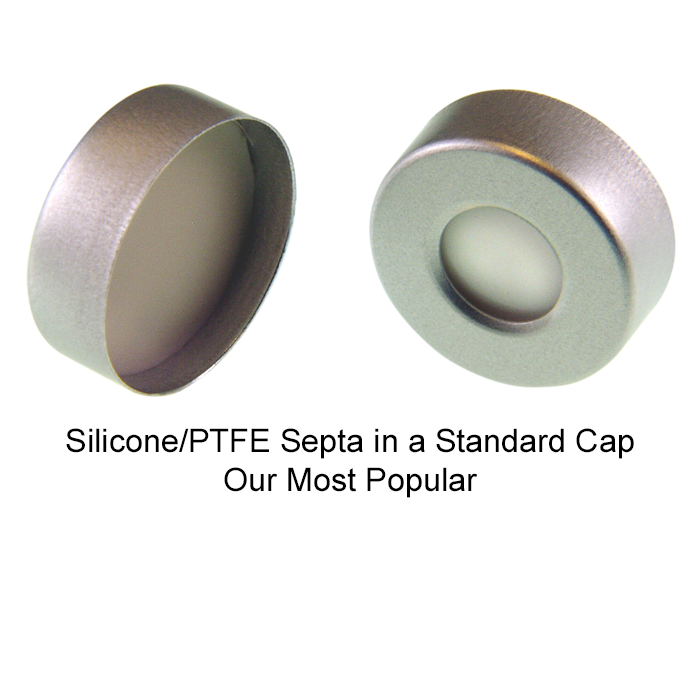
Standard headspace caps
Screw-thread headspace caps
Wide Selection of Septa Materials
A broad range of septa materials is available to support different analytical requirements, including:
Silicone/PTFE septa (most popular)
Low-bleed silicone/PTFE septa
Butyl rubber septa
Butyl rubber/PTFE septa
Natural rubber septa
Molded rubber septa
Pre-slit septa
SPME septa
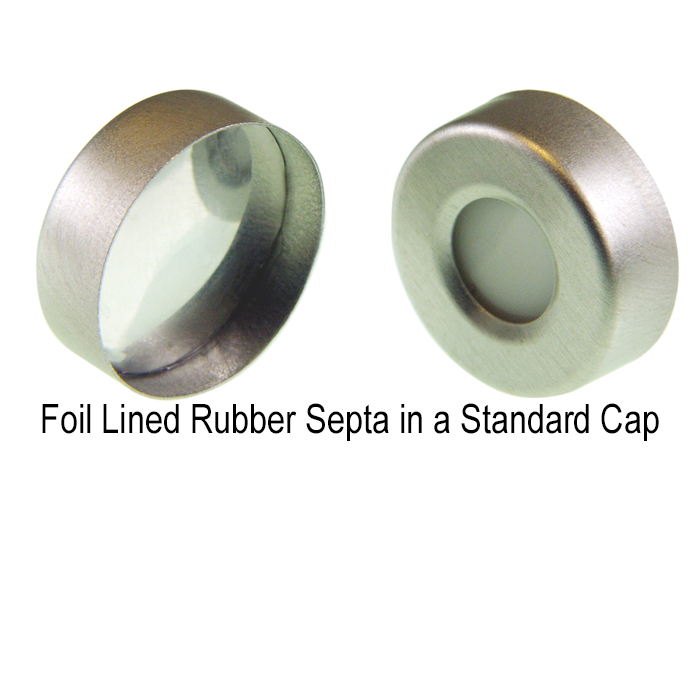
Aluminum foil septa
Black, blue, grey, dark grey, orange, red, and translucent rubber septa
Designed for Headspace Instrument Compatibility
Headspace caps and septa are available for a variety of autosampler platforms and method requirements, helping laboratories achieve:
Consistent sealing performance
Reliable autosampler operation
Improved reproducibility
Reduced sample loss
Extended septa life
Reliable pressure retention
Related Resources